 by
by 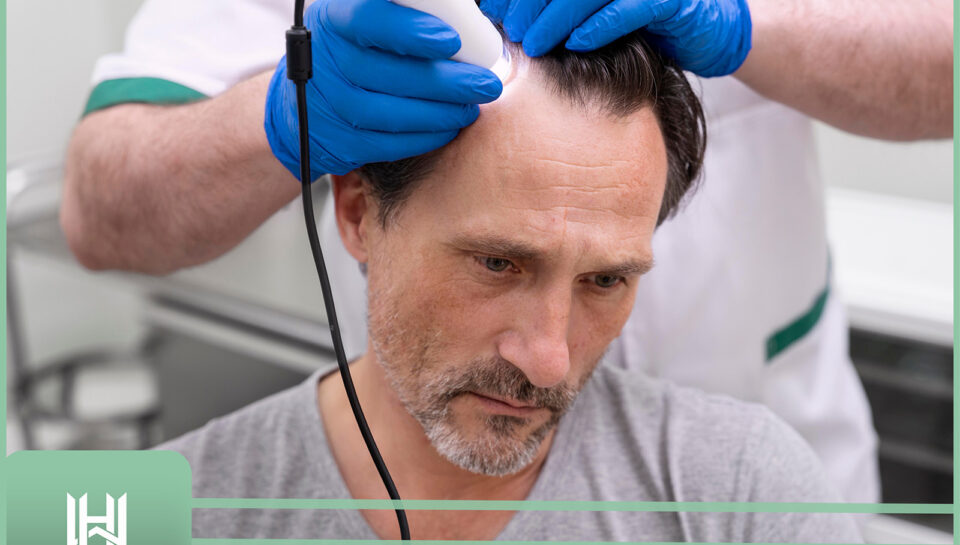
Hair loss is one of the most common aesthetic problems today. Although it is more common in men, it can also cause significant loss of self-confidence in women. Sometimes it occurs due to genetic reasons, sometimes because of stress, poor nutrition, or hormonal issues. In such cases, hair transplantation stands out as the most permanent and effective method. So, what exactly is a hair transplant, how is it done, and who is it suitable for? In this article, you will find every detail you need to know about hair transplantation.
What is Hair Transplantation?
Hair transplantation is the process of transferring hair follicles that are genetically resistant to shedding (usually taken from the nape or behind the ears) to bald or sparse areas. Since this procedure is performed with the person’s own hair follicles, it provides both natural and permanent results.
The main purpose of hair transplantation is to restore hair growth in bald areas and help individuals achieve a fuller and more aesthetic appearance. Today, thanks to technological advancements, hair transplantation is performed much more comfortably and successfully.
How is Hair Transplantation Performed?
Hair transplantation consists of several basic stages:
- Planning and Hair Analysis: The patient’s hair structure, hair loss rate, and donor area density are examined in detail. At this stage, the hairline is determined, and the number of grafts (hair follicles) to be transplanted is calculated.
- Extraction of Grafts: Hair follicles are individually removed from the donor area using a micromotor or special pens. It is crucial not to damage the follicles during this step.
- Opening Channels: Channels are opened in the transplant area at angles suitable for the natural direction of hair growth. This step is critical for achieving a natural look after transplantation.
- Implantation of Hair Follicles: The collected follicles are placed one by one into the opened channels, allowing new hair to grow in the bald area.
Hair Transplantation Methods
Hair transplantation can be performed using different techniques. The most common methods are:
FUE Method (Follicular Unit Extraction)
In this method, hair follicles are extracted one by one and implanted into bald areas. It leaves no scars and has a quick recovery time. It is one of the most preferred techniques today.
DHI Method (Direct Hair Implantation)
In the DHI technique, special implanter pens are used. These pens allow follicles to be directly implanted into the target area after extraction, resulting in denser and more natural outcomes.
FUT Method (Follicular Unit Transplantation)
In the FUT technique, a strip of scalp is taken from the nape area, and hair follicles are separated and transplanted. It is an older method that may leave a small scar and is rarely used today.
Who is Suitable for Hair Transplantation?
1. People with Genetic Hair Loss: Individuals who experience hair loss due to hereditary baldness can achieve permanent results with hair transplantation.
2. People with Thinning Hair: Even without complete baldness, those with thinning hair, especially a receding hairline, can benefit from transplantation.
3. People with Hair Loss Due to Accidents or Burns: Hair transplantation can deliver successful results for those who lost hair due to trauma, burns, or surgical scars.
4. Women: Women experiencing high hairlines or regional thinning can also undergo transplantation. Special techniques for women provide natural-looking results.
Things to Consider Before Hair Transplantation
- Stop alcohol and smoking at least 1 week before the procedure
- Consult your doctor if you are using blood thinners
- Wear comfortable clothing on the day of the operation
- Do not cut your hair before the procedure; wait for the doctor’s instructions
Post-Transplantation Process
Patients can usually return to daily life within 1–2 days after the procedure. However, some rules must be followed:
- No contact with the transplanted area for the first 10 days
- Use special shampoos and lotions recommended by the doctor
- Avoid heavy sports and activities for the first month
- Protect from sunlight by using a hat or protective accessory
- Remember that “shock shedding” within the first 3 months is normal
When Are Hair Transplant Results Visible?
Patience is essential after hair transplantation. The first new hairs usually appear from the 3rd month. Noticeable density develops by the 6th month, but the final results are achieved between 9–12 months. Transplanted hair is permanent for life.
Advantages of Hair Transplantation
- Provides a natural and aesthetic appearance
- Permanent results with no need for repeat procedures
- No compatibility issues since your own follicles are used
- Boosts self-confidence
- Completely restores bald areas
