FUE Hair Transplant: A Natural and Permanent Solution
FUE (Follicular Unit Extraction) is a modern method for individuals experiencing hair loss, offering natural and permanent results with its minimally invasive structure. Healthy follicles taken one by one from the donor area are placed into the recipient area at a natural angle and density. At World Of The Hair, the entire process is carried out by our expert doctors in accordance with our clinic protocols.

Process and Planning
Consultation & Planning
Hair loss type, donor density, and recipient area needs are evaluated. A personalized hairline is designed based on aesthetic expectations, and a step-by-step treatment plan is created.
- Photo pre-evaluation and planning
- Appointment, accommodation, and transfer organization
- Medical tests and local anesthesia preparation
Pre-Operation Preparation
Pay attention to the following recommendations to support graft survival:
- Stop drinking alcohol and reduce smoking 1 week before the procedure.
- Inform your doctor about any medications you are using.
- Have a light breakfast on the morning of the operation.
Operation Day · Steps (6–8 Hours)
Donor Area Preparation
The nape is shaved, and the area is numbed with local anesthesia.
Graft Extraction (FUE)
Healthy follicles are collected one by one in a controlled manner with a micromotor.
Channel Opening
Micro-channels are meticulously opened to match the natural angles and directions.
Graft Placement
The collected follicles are placed with attention to target density and symmetry.
Before / After
 Before
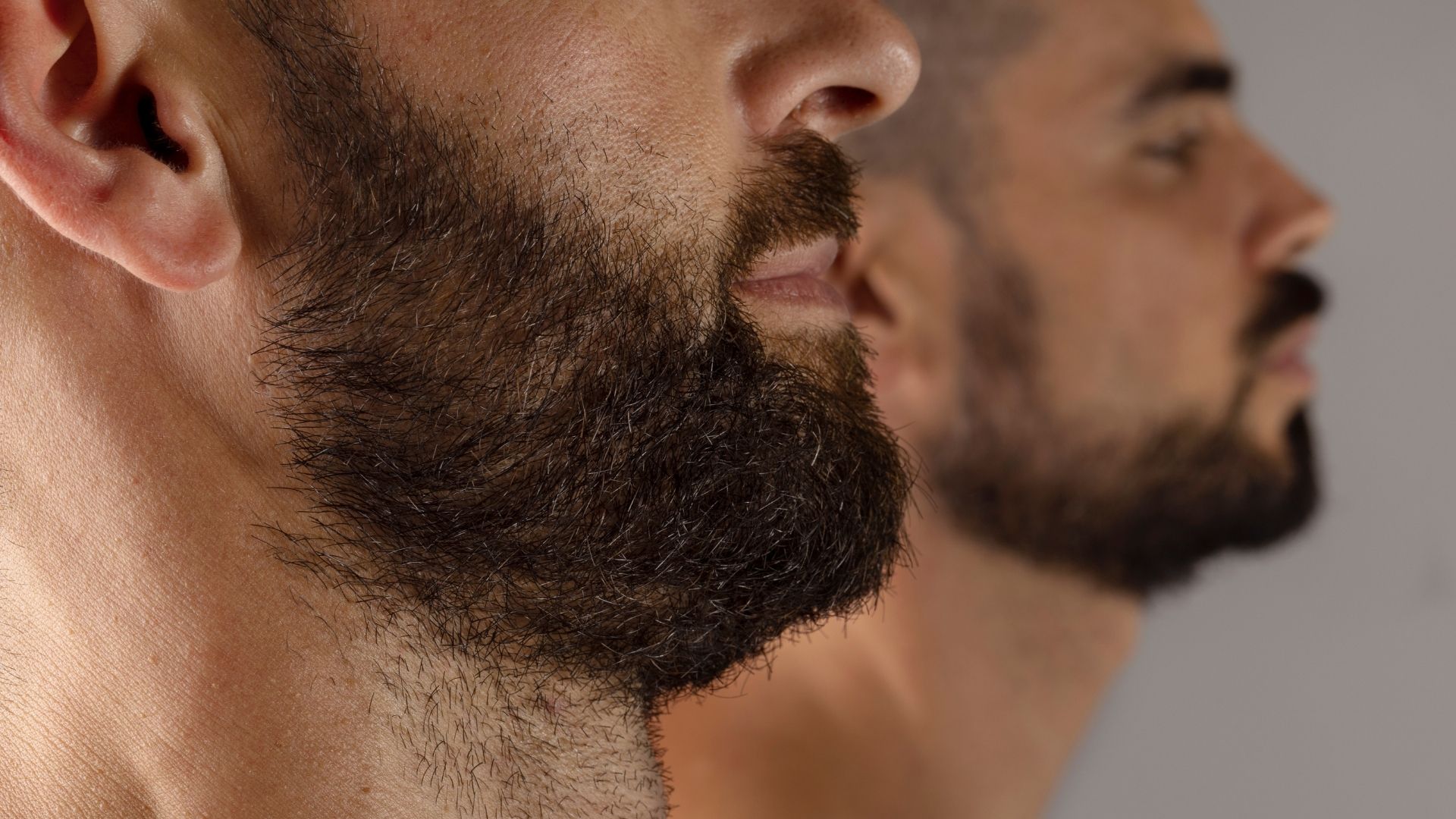 After
After
Post-Operation Process
First Night
The first night is the most sensitive period. Sleep on your back in a semi-upright position; do not lie on your face. Use of a neck/travel pillow is recommended. 24/7 consultant support is available if needed.
Recovery Timeline
- 0–3 days: No washing; slight redness/swelling is normal.
- 4–10 days: Gentle washing and softening of scabs.
- 1st month: Avoid sun/sea/pool and intense sports.
- 6–8 months: New hairs become visible; they become more noticeable in 8–10 months.
